
JLPT N5 books: what you need (and mostly don't)
The entry level deserves an honest entry page.
The short version
N5 tests the first half of a beginner course, so the best N5 book is Genki I or Minna I — the book you'd buy to learn Japanese anyway. The one exam-specific purchase that earns its place is the Official Practice Workbook (¥700 + tax, contents also free on jlpt.jp), sat timed in the final weeks. Everything else on this page is optional — and we'll say exactly when each option makes sense.
01
You're starting from zero
Two things before any book list. First: learn hiragana and katakana before anything else — the exam prints no romaji, and at N5 most of the paper is kana. A week or two of flashcard drilling covers it, no purchase required. Second: the top-ranking "20 best N5 textbooks" articles are mixing two different questions. Learning Japanese from zero takes a course book; passing N5 takes… the same course book, because N5 tests exactly the ground it covers.
So the real decision is Genki I vs Minna no Nihongo I — self-study default vs classroom default, decided mostly by where the English explanations live. That decision gets its own page: the Genki vs Minna comparison — and the wider first-textbook decision, including the gentler ramps for learners who bounce off standard textbooks, lives in the beginner guide. Pick one, finish it, and you have done the great majority of your N5 prep.
02
Mid-course: what Genki I covers (and misses)
The learner-community consensus on Genki I and N5 is precise: it gets you a pass, not a high score. The course actually over-delivers on kanji, but a handful of tested grammar patterns sit early in volume II territory, and vocabulary breadth is the real gap — one learner working through an N5 prep book tallied roughly a third of its vocabulary as absent from Genki I. The honest fixes are habits, not purchases: a daily flashcard routine (the free community decks cover exactly this ground) and daily listening to learner-paced audio.
If you want paper for those habits: the Tango word list is the book form of the community's favorite starter decks, with audio; and the one kanji book with a genuine beginner fanbase covers N5 and N4 in a single volume — though at N5, a dedicated kanji book is the most skippable purchase of all.
03
The one purchase that matters: format
Read post-exam threads and one story repeats: a prepared beginner sails through vocabulary and grammar, then the listening section hits — played once, often over open-air speakers, and by several learner reports faster than the official samples. Listening has its own minimum: 19 of 60, whatever your other scores (the overall pass mark is 80 of 180, with 38 of 120 on the combined language-knowledge and reading section). Format familiarity is what separates passing beginners from shocked ones.
That's the case for the one exam-specific purchase: the Official Practice Workbook — real past questions from the exam makers with the listening CD, sat timed a few weeks out. Full honesty: both official collections are downloadable free from jlpt.jp, audio included; the ¥700 book buys print and convenience. Either way, do the rehearsal.
04
If you want one exam book anyway
Honestly optional — but two books have real community track records, for two different people. TRY! N5 is the best-loved dedicated N5 book in pass stories: grammar re-taught through reading and listening passages with English explanations, the right shape if the classroom style of a course book isn't landing. So-matome N5 — one combined volume at this level, covering all five skills on a daily calendar — is the review-and-pacing layer for the final six weeks. Learner reports are blunt that it reminds rather than teaches: fine as a checklist over a finished course, wrong as a primary book.
05
Is N5 worth sitting at all?
The community split, reported honestly. Against: the certificate carries no weight with employers, and the real cost is often travel and a day, not just the fee. For: a booked exam is the strongest motivator many self-learners find, the format rehearsal pays forward into every later level — and there is one hard use-case: language-school student visas. Applicants and schools report that from late-2026 intakes, Japanese immigration accepts an N5 certificate in place of the old 150-hour study-proof paperwork, which makes N5 the one JLPT level a complete beginner may actually need on paper.
Skipping N5 for N4 is common and cheap — the N5→N4 gap is the smallest on the ladder — and the community's decision rule is the same one this page keeps returning to: sit a free timed mock and let the score choose the level, not the calendar. When N4 is the question, the N4 guide takes over — its answer, pleasingly, is the same: finish the course you already own.
Every book in this guide
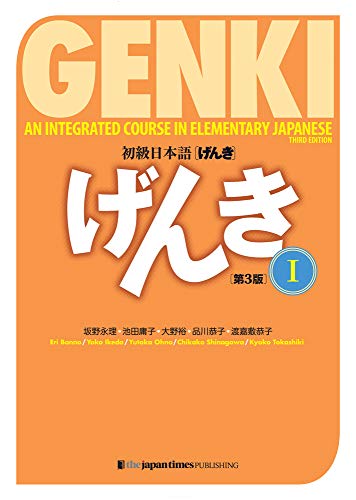 Genki: An Integrated Course in Elementary Japanese I — ¥3,600 + tax
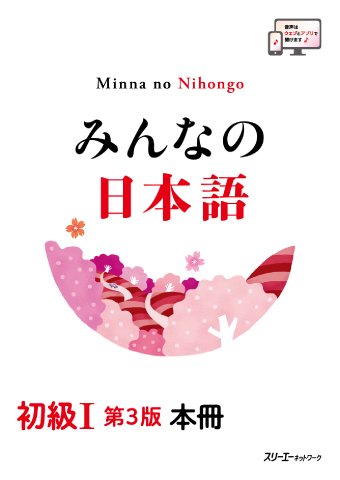 Minna no Nihongo Shokyu I — ¥2,500 + tax
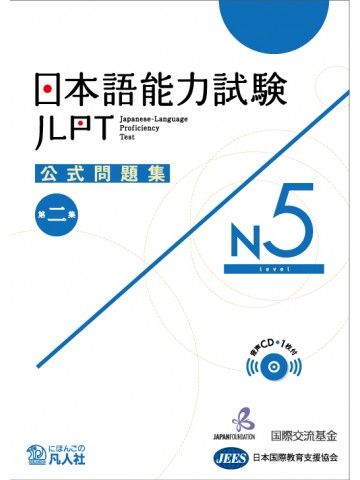 JLPT Official Practice Workbook N5 Vol. 2 — ¥700 + tax
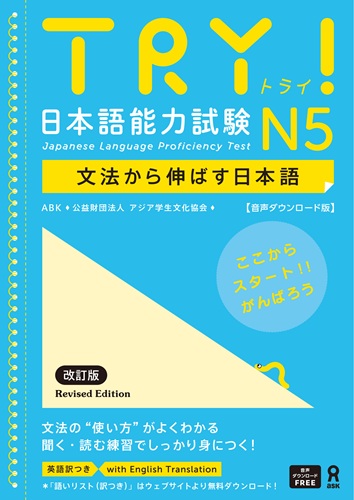 TRY! JLPT N5 — Japanese Through Grammar
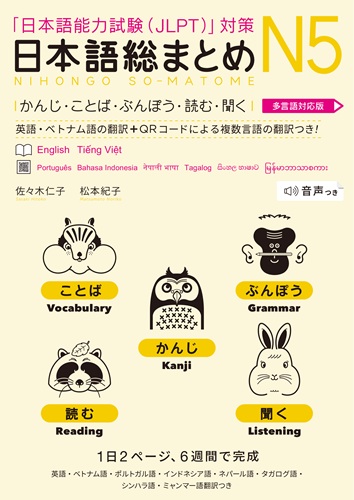 Nihongo So-matome N5: Kanji, Vocabulary, Grammar, Reading & Listening
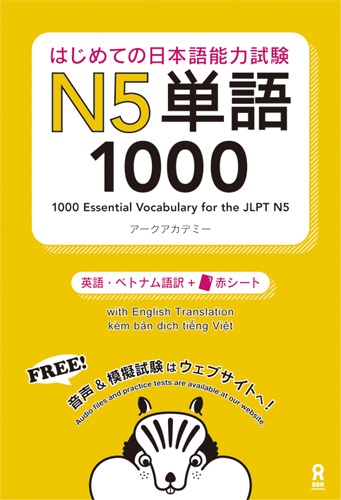 1000 Essential Vocabulary for the JLPT N5 — ¥1,300 + tax
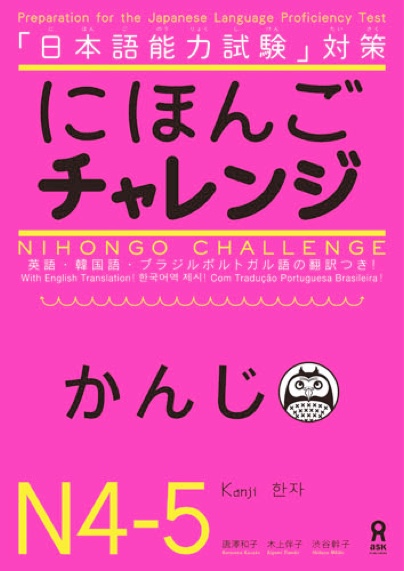 Nihongo Challenge Kanji N4–N5 — ¥1,300 + tax
Sources
Book structure and included materials are checked against the publishers' current product pages, including Ask Publishing's multilingual So-matome N5 (one combined volume at this level), the TRY! N5 audio-download edition and the N5 Tango 1000, plus Bonjinsha's Official Practice Workbook Vol. 2. Edition, page and Japanese list-price fields come from NDL Search — which also confirms that, despite what some ranking articles claim, no Shin Kanzen Master N5 volume exists. Pass marks and sectional minimums are taken from the official JLPT scoring page, section times from the test-sections page, and both free official workbook collections are on the official sample-questions page.