
Shin Kanzen Master or So-matome: which N3 series should you buy?
The famous N2 decision, one level down — where one of its two deciding axes quietly flips.
Verdict
With time on the clock, choose Shin Kanzen Master; with six weeks or less, choose So-matome — the N2 logic survives. What changes at N3: Shin Kanzen's explanations are translated into English here, so needing English no longer rules out the rigorous route. So-matome remains the pick for a translated daily routine, for Korean readers, and for the shortest runways.
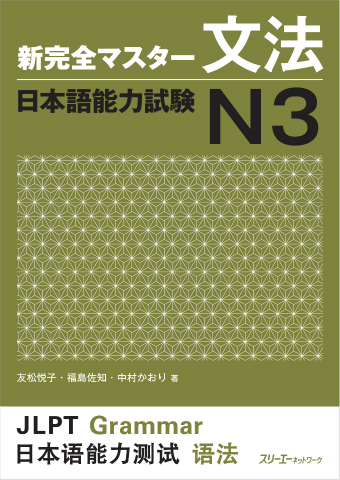
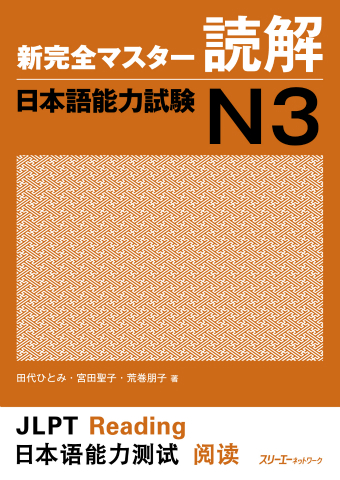
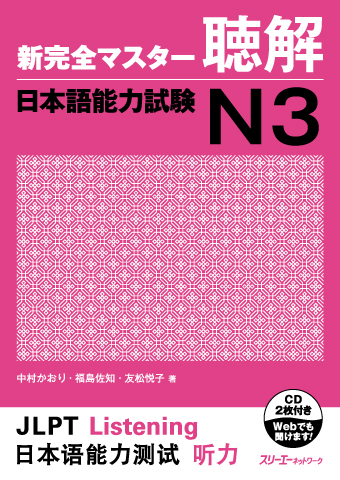
Shin Kanzen Master
新完全マスター N3
3A Corporation · 5 volumes · ¥1,200–1,400 + tax each
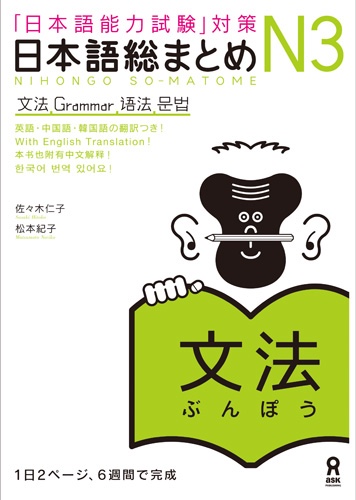
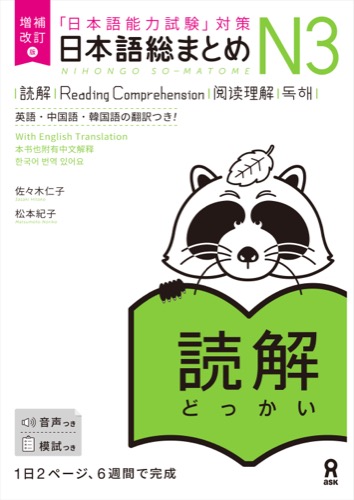
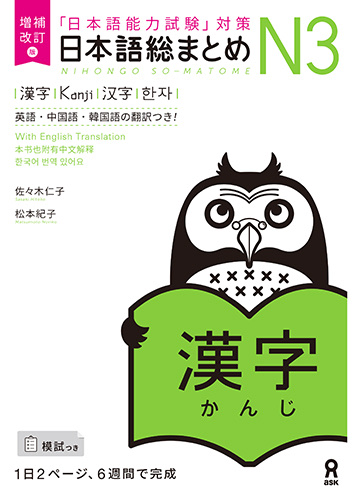
Nihongo So-matome
日本語総まとめ N3
Ask Publishing · 5 volumes · ¥1,200 + tax each
The differences that matter
| Shin Kanzen Master | So-matome | |
|---|---|---|
| Approach | Exam-mirroring course: form judgment, sentence assembly and text grammar, each trained separately — the same three-part structure as the N2 volume. | A printed calendar: six weeks × seven days, two pages and 3–4 grammar items a day, with day seven as review, keigo and a test. |
| Language support | The N3 flip: explanations carry English and Chinese translations — the publisher says outright this is unlike the N1 and N2 books. Example sentences stay Japanese. | The fullest coverage: English, Chinese and Korean under every example, translated drills in the booklet, plus free audio. |
| Explanations | Teaches why look-alikes differ — learners cite finally understanding こと vs の here. | Lists forms with examples; the series states it deliberately skips subtle differences because the exam doesn't test them. |
| Pacing | No built-in schedule — the recurring complaint is having to plan the lessons yourself. | The schedule is the product: six weeks, printed on the book, and shorter than the N2 volume's eight. |
| Mock tests | Two grammar-section mock tests. | Two mock tests — added in the 2022 revision, so older reviews miss them. |
| Depth vs finishability | More items, more contrast boxes, more drills — and documented as harder to finish without a plan. | Designed to be finished — and documented as too light alone, with at least one attributed fail-then-switch report at N3. |
Why the English axis flips at N3
At N2, the strongest practical argument for So-matome is that Shin Kanzen Master is entirely in Japanese — if you can't comfortably read all-Japanese explanations, the rigorous option is simply closed to you. At N3 that gate doesn't exist: the publisher states, in its own words, that the N3 grammar volume — unlike the N1 and N2 books — carries English and Chinese translations of its explanations. The example sentences stay in Japanese and there is no Korean, so So-matome still owns full-translation comfort. But the decision stops being "rigor or English" and becomes a cleaner trade: depth with translated explanations, or a translated six-week routine that gets finished.
Choose Shin Kanzen Master if
- You have three months or more before the exam
- You want look-alike patterns actually explained — in English, at this level
- You're building toward N2, where this series becomes the standard anyway
- You can set your own weekly plan — the book won't do it for you
Choose So-matome if
- The exam is six weeks away — the calendar fits exactly
- You want translations under every example, including Korean
- You're reviewing grammar you've met before, not learning it first
- A daily two-page habit is what actually keeps you studying